Templeton Religion Trust
Can deeper collaboration between development professionals and religious actors unlock more sustainable solutions to global challenges?
How can religious leaders and institutions work with development partners more strategically?
Can mutually beneficial partnerships be formed where ideological differences exist?

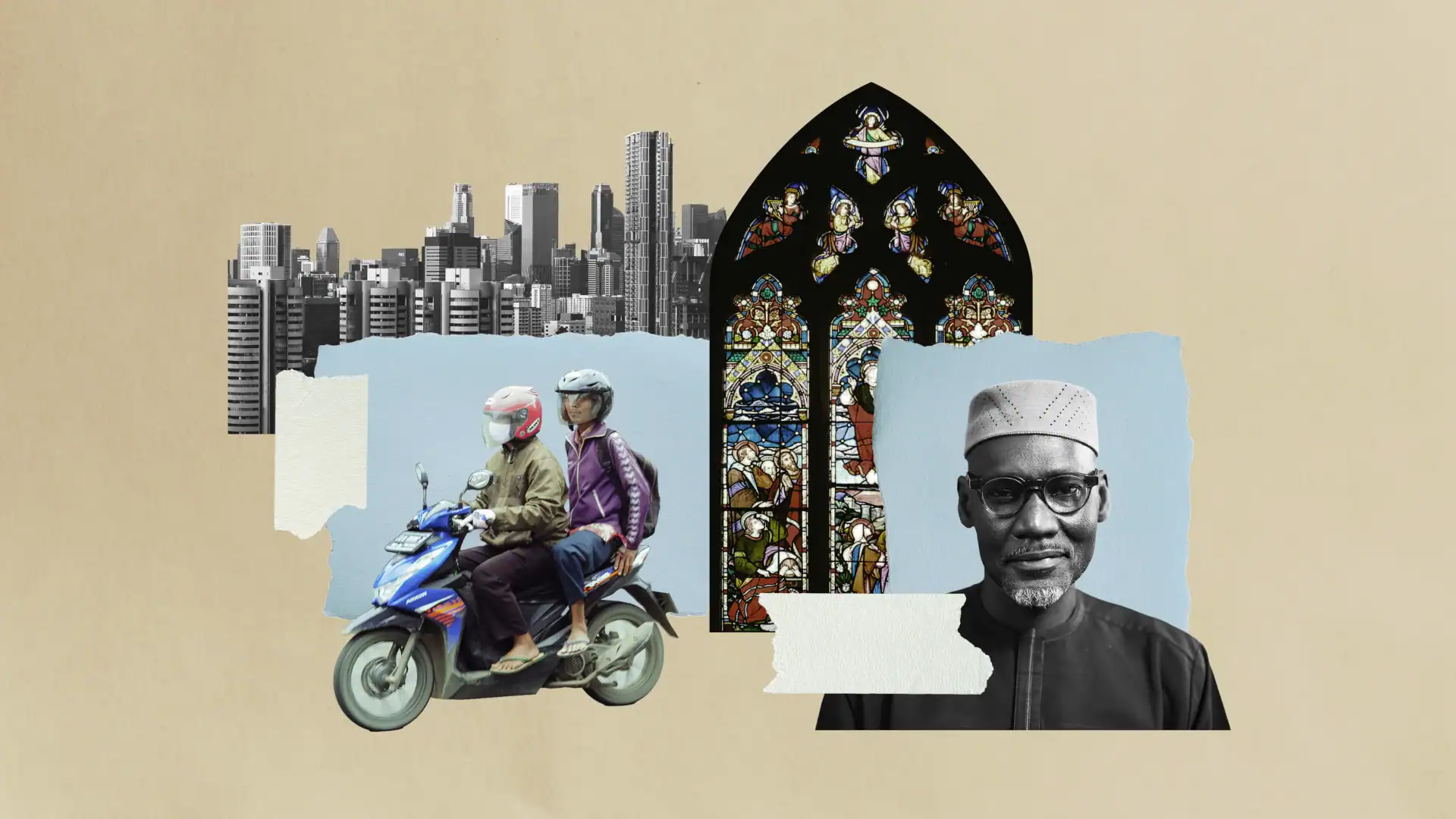
Global organizations like UNICEF and the World Bank have acknowledged religion’s relevance in development work—after all, 84% of the world’s population identifies with a religious group. In many developing nations, religious beliefs and institutions are deeply woven into the social fabric. Yet, religious engagement in international development has been inconsistent at best and ignored at worst, missing opportunities for progress.
“The international development field and humanitarian action have had a lot of ambivalence in dealing with the world of religion,” says Katherine Marshall, Executive Director of the World Faiths Development Dialogue (WFDD). “And yet it’s vitally important for most people around the world.”
This project, led by WFDD, aims to fundamentally change the culture of humanitarian and development work. Instead of viewing religious actors as optional or transactional partners during crises, the initiative seeks to develop strategic, long-term partnerships that integrate religious leaders and institutions into the planning and decision-making process when appropriate. This approach recognizes the deep trust religious leaders hold within their communities and their historic role in caring for society’s most vulnerable.
Marshall highlights the central goal of the project:
“The central hope for this project is that we will have learned and identified areas for action. It’s also to make a difference in the way people think and talk about the role of religion in development and humanitarian affairs.”
The project focuses on four diverse countries—The Philippines, Senegal, Ghana, and Sri Lanka—chosen for their distinct challenges in the religious and development landscapes. These countries offer opportunities to prototype strategic religious engagement through research, dialogue, and actionable models.
Much of the ambivalent attitude toward religion in international development is due to its perceived two-sidedness. Religion carries significant baggage from extremism, to institutional failures, and polarizing forces within communities. On the other hand, religious actors are often the first responders to crises and the most trusted voices in their communities.
The project team recognizes these complexities while adopting a positive, solutions-focused approach. Even when tensions exist, building relationships grounded in mutual respect can address practical problems and foster stronger social bonds. The faith commitments of religious leaders also offer a strong foundation for social action, which is harmonious with the goals of development workers.
The project will prioritize education and social safety nets—two critical areas of development with significant intersections with religion.
This work will not follow a one-size-fits-all model. Instead, it will rely on country-specific strategies informed by local contexts, from peaceful pluralism to interreligious tensions.
At the heart of this project is the belief that better relationships between development actors and religious communities can lead to more effective, long-lasting solutions.
By fostering trust, improving religious literacy, and encouraging mutual ownership, this project aims to demonstrate how religious engagement can drive sustainable development.
The initiative includes a robust dissemination phase to share findings through case studies, training materials, and global conferences. The goal is to:
As stories emerge from the Philippines, Senegal, Ghana, and Sri Lanka, they will serve as blueprints for change, demonstrating the potential for religious and development partnerships to build stronger, more inclusive societies.
With a majority of the world’s population identifying with some faith tradition, the impact of this work could be transformative. By recognizing the role of religion in development—and investing in
strategic, long-term partnerships—the project aims to create a world where faith, dialogue, and action converge to advance human thriving.
The team hopes their work will inspire not only development professionals, but the broader public as well, to see religion as an opportunity for good—a powerful force for creating a better world.